
What is a colonoscopy?
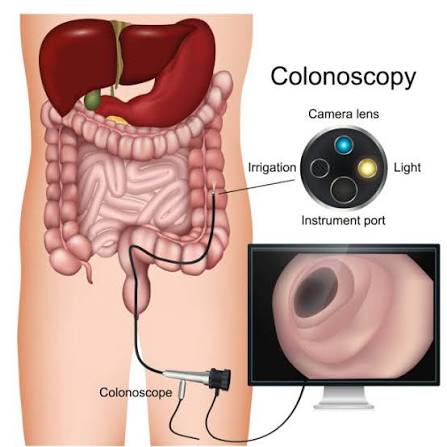
A colonoscopy allows your doctor to look inside your large intestine (especially the colon) for any abnormalities or disease. You will have a colonoscope. This is a thin, flexible tube with a light and camera on the end. The colon is part of the lowest section of the gastrointestinal tract. It breaks down food, extracts nutrients, and removes waste. The rectum joins the colon to the anus. Your anus is the hole in your body where you get rid of waste . Your doctor may also remove problematic tissue, such as polyps, or take tissue samples for a biopsy during a colonoscopy. So contact us; we have the Best Doctor for Colonoscopy in Parel.
Colonoscopy procedure: How is a colonoscopy performed?
You will change into a hospital gown before your colonoscopy. Most are given painkillers and sedatives. This is usually in the form of supervised anesthesia, but you might be able to get less sedation if you ask and talk to your doctor. Throughout the procedure, you will be lying on your side on a comfortable examination table. To get a better angle on your colon, your doctor may position you with your legs tucked up to your chest. While you’re sedated and lying on your side, your doctor will carefully and gently insert the colonoscope into your anus, rectum and colon. The colonoscope's camera sends pictures to a monitor that your doctor can view. Your doctor will use carbon dioxide to expand your colon to improve the view after the colonoscope is in place. During this surgery, your doctor could remove polyps or a tissue sample for a biopsy. The entire process takes between fifteen and sixty minutes. Visit our office right now to speak with GI Health Associates, the Best Doctor for Colonoscopy in Parel.
What are the risks of a colonoscopy?
Colonoscopy is a routine procedure with very little risk of serious problems. For most patients, the potential benefits of early detection of colorectal cancer, polyps, and other digestive disorders far outweigh the potential risks. Rare side effects include bleeding (especially if a biopsy or polyp ectomy is performed), an adverse reaction to the sedative, or a perforation (tear) in the colon or rectal wall. In some cases, a virtual colonoscopy with CT or MRI imaging may be an alternative. While it removes some of the risks of a standard colonoscopy, it still requires bowel preparation and may not be as good at detecting very small polyps. The best screening option for you depends on your health needs and risk factors, and your doctor will recommend the appropriate screening. We have the Best Doctor for Colonoscopy in Parel.
What happens after a colonoscopy?
You'll have to wait an hour or so for the sedation to wear off after the treatment. It is recommended that you refrain from driving for the next 24 hours until the full effects have subsided. Your doctor will send any tissue or polyps removed during a biopsy to a lab for analysis. When the results are ready, which is often within a few days, your doctor or a member of their staff will inform you. Are you looking for the Best Doctor for Colonoscopy in Parel? Come see GI Health Associates right now.
Frequently asked questions
How long does a colonoscopy take?
Depending on whether the doctor needs to remove any polyps or tissue for a biopsy, a colonoscopy typically takes between fifteen and sixty minutes. To account for preparation and recuperation from the sedation, budget a few hours overall at the hospital or endoscopy center.
Are colonoscopies painful?
Because the sedation will keep you from remembering the process, colonoscopies are usually not uncomfortable. If a sedative isn't an option, discuss pain treatment choices with your doctor if you're not in the United States. Following the surgery, there may be some minor discomfort in the stomach or rectum, along with some bloating from the carbon dioxide.
At what age should I start getting colonoscopies?
For those between the ages of 45 and 75 who are at average risk for colorectal cancer, some organizations advise colonoscopy exams every ten years. To decide when to begin screenings, discuss your situation with your physician.